
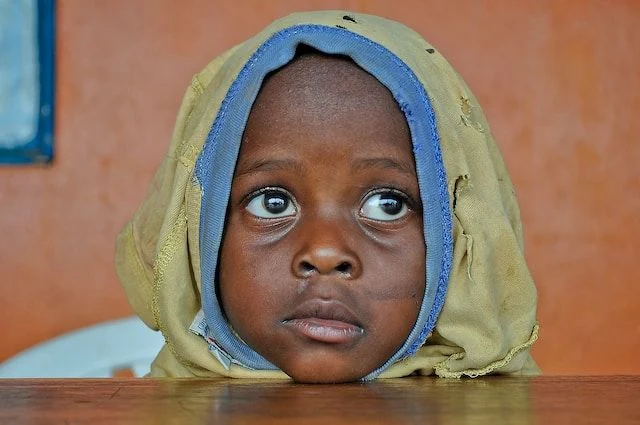
Volunteering abroad is one of those experiences that gives back as much as it takes. It lets you make a genuine difference in communities around the world while immersing yourself in a culture completely different from your own. It’s not just travel with a purpose bolted on it’s a chance to contribute to causes that matter, support development on the ground, and grow in ways that stretch beyond a typical trip. This article breaks down what volunteering abroad actually involves, why people choose to do it, how to prepare properly, and what you can realistically expect once you’re there.
What Does Volunteering Abroad Actually Mean?
At its core, volunteering abroad means giving your time, effort, and skills to support projects in another country with no paycheck attached. These projects can span education, healthcare, environmental work, childcare, community development, or wildlife conservation. What sets it apart from ordinary travel is the combination of cultural immersion and hands-on purpose: you’re not just observing a place, you’re working within it, engaging directly with local people and seeing global issues up close.
Most well-run programs aim for more than a quick fix they’re built around sustainable development, meaning the work is meant to leave a lasting mark rather than a temporary one. That’s what makes volunteering abroad genuinely meaningful: it pairs real-world experience with a contribution that’s built to last.
Why Do People Choose to Volunteer Abroad?
The reasons people volunteer abroad tend to be personal and, often, life-changing. It’s a chance to support communities that need it, engage with global causes, and gain experiences that go far beyond what a normal holiday could offer. Spending time with people from different cultural and economic backgrounds naturally broadens your perspective.
There’s a personal growth side to it too volunteering builds resilience, adaptability, and empathy. It pushes you outside familiar routines, often into new languages and unfamiliar problem-solving territory. For students and early-career professionals, it can also strengthen a resume, demonstrating international experience, teamwork, and the ability to communicate across cultures.
How to Prepare for Volunteering Abroad
Good preparation makes or breaks the experience. Start by getting clear on your “why” are you after hands-on experience, a specific cause you care about, or simply cultural exchange? Knowing your motivation will guide which program and destination actually fit.
From there, research becomes essential. Look into different countries, types of projects, and program lengths that match your interests and abilities. Think practically too climate, cultural expectations, safety, and language. Don’t leave visa applications, vaccinations, travel insurance, or paperwork until the last minute; sort these out well ahead of time.
Picking the right organisation matters just as much as picking the right cause. Look for groups with a track record of ethical, community-first work rather than surface-level “voluntourism.” Check how transparent they are about accommodation, support structures, and past volunteer experiences talking to former volunteers or reading honest reviews can tell you a lot about whether a program delivers what it promises.
Finally, plan your finances. Factor in program fees, flights, day-to-day costs, and a buffer for emergencies. Some volunteers fundraise or find sponsors to help cover the cost of their trip.
Setting Realistic Expectations
Going in with the right mindset matters. Volunteering abroad is rewarding, but it’s rarely effortless expect cultural differences, language gaps, unfamiliar food, and living conditions that may differ significantly from what you’re used to.
Real change is gradual. Don’t expect to fix deep-rooted social problems overnight; instead, think of your contribution as one piece of a longer, ongoing effort. Staying flexible and patient matters, since project needs can shift depending on what the community requires at the time.
Approaching everything with an open mind and cultural sensitivity will make the whole experience smoother. Respecting local customs and communication styles builds trust and makes collaboration far more effective.
What Volunteering Abroad Actually Looks Like Day to Day
Once your program starts, expect a mix of structured work, cultural exchange, and personal discovery. Depending on your placement, your days might involve community projects, teaching, healthcare support, environmental conservation, or administrative and outreach work.
You’ll typically work alongside both local staff and other international volunteers, which naturally creates a collaborative, culturally diverse environment and helps build interpersonal and leadership skills along the way.
Outside of the project itself, you’ll get a real taste of local life: traditions, festivals, food, and daily routines. Actually living within a community rather than just visiting it gives you a far deeper understanding of local challenges and strengths than typical tourism ever could.
And perhaps the most rewarding part of the whole experience is seeing your work actually matter whether that’s watching a child grasp a new concept, supporting a local initiative, or contributing to a conservation effort. Those moments tend to stick with you long after the trip ends.
The Personal and Professional Payoff
The benefits of volunteering abroad don’t end when the program does. Personally, it tends to build confidence, independence, and emotional maturity navigating a new country while contributing to something meaningful sharpens your self-awareness and broadens your worldview.
Professionally, it strengthens exactly the kind of skills employers look for: communication, teamwork, adaptability, and the ability to work across cultures. These qualities carry real weight in fields like education, healthcare, social work, international relations, and development.
Where to Find Volunteer Opportunities Abroad
Finding the right program takes some legwork start with organisations known for ethical, well-run volunteering. Hostel Hoff, for example, runs a range of volunteer programs in Tanzania built around sustainable development and community empowerment, covering areas like education, healthcare, childcare, and environmental conservation, so volunteers can find a role that matches their skills and interests.
Whatever program you choose, make sure it prioritises ethical practices, genuine community collaboration, and lasting impact not just a short-term feel-good experience.
Final Thoughts
Volunteering abroad blends service, cultural immersion, and real personal growth into one experience. Get clear on your motivations, prepare thoroughly, keep your expectations grounded, and stay open to whatever the experience brings and you’ll get far more out of it. In the end, it’s the relationships you build and the understanding you gain that make the whole thing unforgettable, far more than any single project or destination.