
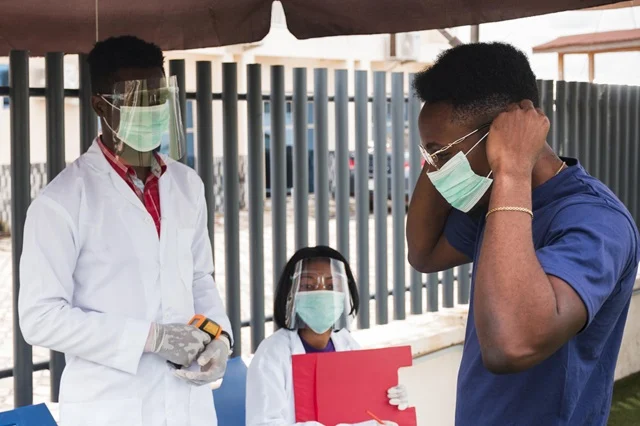
Volunteering in a hospital creates better opportunities to learn about yourself and others. The real-world impact of volunteering is beyond our imagination, as you not only affect an individual but also a community. Let us explore the impacts volunteering has on people’s lives in this blog.
What Hospital Volunteering Involves on a Day-to-Day Basis
Volunteering at a hospital in Tanzania involves a few of the daily tasks. These are easy and will help you in mingling with the common people of Tanzania. The daily tasks include the following:
- Taking the temperature measurements.
- Assisting the doctors in their daily activities. This helps you learn how the doctor treats patients and how they prescribe medicines.
- Working in major and minor operating theatres. You will not be asked to play the role of a doctor or a nurse. You can gain a good understanding of how to work in a theatre and the equipment.
- You can assist in the childbirth sections. You will be asked to work on a few tasks, such as passing hot water, cleaning clothes, and preparing the place for childbirth. Childbirth is a critical procedure, and learning about it will help you a lot.
- You can provide general healthcare knowledge and counselling to the patients. Educating people about basic healthcare concerns is also an important task.
- Helping doctors and nurses treat minor injuries and wounds. You can help with first aid and stitches. These are the minor works, and you can get detailed knowledge of all of these basics.
- You can also serve as greeters and support to the patients and their families.
- Assisting with transferring patients to hospitals and back home is one way.
- Working in the clerical and administrative areas of a hospital is also recommended, and you can perform h as filing, answering phone calls, and preparing kits.
Why People Choose to Volunteer in Healthcare Settings
Volunteering offers you the opportunity to make a difference in the lives of people in Tanzania. Healthcare is a crucial part of Tanzania, and volunteers are needed to review every case.
The limited number of doctors and nurses puts a lot of pressure on them, and they are unable to attend to everyone. A volunteer will assist with basic tasks and support the doctors in attending to critical patients.
Tanzania has diseases like malaria, tuberculosis, HIV, hypertension and diabetes. Regular checkups, awareness camps, and monitoring whether patients are taking their medicines are among the regular activities with these patients. You will be helping with these works.
How Hospital Volunteering Benefits Patients and Medical Staff
The benefits of volunteering at a hospital in Tanzania are many for both patients and medical staff. Also, patients benefit greatly from having volunteers in hospitals. With limited resources, Tanzania needs volunteers to handle daily hospital cases.
These are the benefits that the patients get from volunteers:
- The greatest benefit is increased access to medical care, with more patients treated more effectively in the hospital.
- Now, the quality of care has also improved, with volunteers taking on daily tasks such as measuring blood pressure, treating minor wounds, taking temperatures, and more.
- Volunteers will educate and raise awareness about healthcare, nutrition, sanitation, and how to prevent diseases such as malaria, HIV, and tuberculosis.
These are the benefits that the medical staff get from the volunteers:
- The greatest help the volunteers provide is dividing the workload and handling basic daily tasks.
- International volunteers bring in new knowledge that the hospitals in Tanzania can benefit from. This way, hospitals can adopt newer treatment methods.
- The volunteers, specialised in fields such as dentistry, surgery, or heart care, can increase the capacity to treat patients. Hence, the healthcare facilities can benefit from these specialists.
Benefits of Volunteering at a Hospital
Volunteering at a hospital is a very effective way to learn, gain real-time experience treating patients, and gain insights into how doctors work. This experience is priceless. Before you work as a real doctor, you get to see how doctors do it.
Here are the benefits you get from the volunteering opportunity:
- You get to do practical work, the kind you have read about in books and videos.
- If you are already working in the healthcare industry, you can still volunteer to assist doctors directly. Your experience level determines the work you will do as a volunteer in the hospitals.
- If you are a student, you will learn the skills you will generally learn during your final year or as an intern. Developing skills early will help you progress to senior levels more quickly.
- You will learn how to manage the patients and approach them directly. This is a skill that will help you in creating a positive impact on the patients you treat.
- Your communication skills increase through volunteering in a hospital. Also, the program makes you humble as you face many life challenges. This program helps you to see life differently in a much more positive manner.
- You get to learn about treating patients, teamwork, maintaining patient confidentiality, and the rewards of being a doctor.
- When you deal with patients and their families, your emotional intelligence grows and makes you more empathetic.
Who Can Volunteer at a Hospital and What Skills Are Needed
There are a few restrictions on who can volunteer at a hospital. Because healthcare requires only a few skills and knowledge, not everyone gets the opportunity to work there. Volunteers with a medical-related background or experience in medical work are allowed to volunteer at a hospital.
Things to Consider Before Volunteering at a Hospital
Volunteering in a hospital in Tanzania can be different from how you study or work in your country. Here are some of the things to consider before volunteering at a hospital in Tanzania:
- Make sure you get the required vaccinations and medications at least a few weeks before you visit Tanzania. Take bug spray with you, as Tanzania has a high malaria incidence.
- Keep your visa and travel insurance ready.
- You are travelling to Tanzania, where people speak Swahili. Volunteering in a hospital in Tanzania is difficult if you do not understand or speak even basic Swahili. So, learn basic Swahili.
- As you consider volunteering, you will need to take responsibility for stepping forward and actively participating in the program.
- You should be ready for flexible working hours and to work more if needed.
Volunteering at a hospital not only offers new opportunities for skill development but also exposes you to diverse life experiences. All the above reasons for volunteering at a hospital make it a strong case for volunteering in Tanzania. Find a reason for yourself and work towards building a better you.