
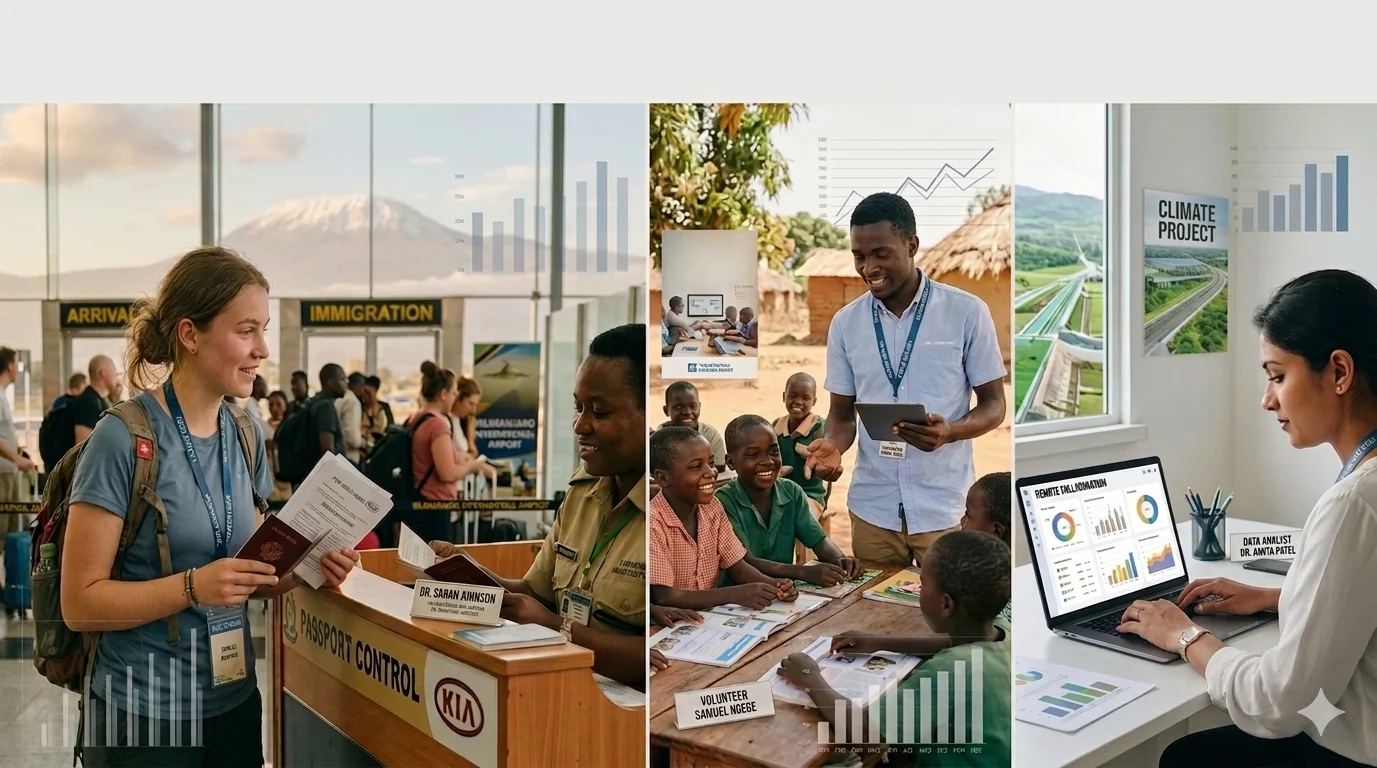
You have probably felt the pull to do something meaningful. Maybe you have searched “how to volunteer abroad” at midnight. Or maybe you showed up once and wondered if it was worth the effort. The current trends in volunteering show something important: the way people give their time has shifted, and the options available to you today look very different from five years ago.
This guide breaks down what is actually changing, why it matters, and what you can do next.
Volunteering Is Rebounding, But the Numbers Tell a Complicated Story
The numbers look good on the surface. But the full picture is more interesting.
Volunteering statistics show a strong global rebound since the pandemic dip. According to AmeriCorps and the U.S. Census Bureau, 28.3% of Americans volunteered formally between September 2022 and 2023, totaling roughly 75.7 million people.
But hours per person have declined. More people are volunteering, but for shorter bursts. Informal helping has also grown to 54.2% of Americans helping neighbours in the same period. Volunteerism is spreading wider, even if each individual is giving less time.
Formal vs. Informal Volunteering Rates in 2024 and 2025
Formal volunteering involves helping through an organization such as a school, clinic, or conservation project. Informal volunteering means helping a neighbour directly. Both are rising, but informal help is outpacing formal rates in many regions. In Southern Africa, ubuntu, the philosophy of shared humanity and communal care, has always made informal volunteering deeply cultural. That spirit is now reflected in the 2024 global volunteering statistics as well.
Virtual Volunteering and Remote Opportunities Are Here to Stay
Not every volunteer needs a plane ticket. That is good news.
For the first time in 2023, AmeriCorps tracked virtual volunteering. It found that 18% of all formal volunteers served completely or partially online, and virtual volunteers logged an average of 95 hours, compared to 64 hours for in-person volunteers.
Virtual and remote volunteering is not a compromise. For many, it is actually more productive.
Virtual volunteering has expanded access dramatically. People with disabilities, caregivers, and those in rural areas can now contribute meaningfully. For travellers considering volunteering in Tanzania with Hostel Hoff, this also means you can prepare, connect, and even contribute remotely before you arrive in Moshi.
Skill-Based Volunteering Is Replacing Traditional Roles
Gone are the days of just painting walls. Welcome to the age of skill-based volunteering.
Organizations today want professionals like doctors, teachers, marketers, engineers, and coders to contribute what they already know. The value of volunteering is rising fast:
- Independent Sector estimates each volunteer hour was worth $34.79 in 2024, a 3.9% rise over the previous year. The more skilled the volunteer, the higher that figure climbs.
- This trend is very relevant if you are an early-career professional. Skill-based volunteer engagement lets you build a real portfolio while making a real difference. If you are a medical student, for example, Hostel Hoff’s Medical & Nursing internships in Tanzania put your skills to direct use in under-resourced clinics.
Why Organizations Now Prefer Skilled Volunteers
The short answer is efficiency. An organization that needs a financial audit cannot use an enthusiastic but untrained volunteer. A primary school in Moshi needs a patient, communicative teacher, not just a willing body. Teaching internships through Hostel Hoff are a direct response to this demand. Skill-based placements also lead to better volunteer retention because both sides gain more from the relationship.
Micro-Volunteering Fits the Way People Actually Live
You do not always have weeks to spare. Micro-volunteering is built for real life.
Micro-volunteering means short, task-based contributions that take anywhere from 10 minutes to a few hours. Think of it like having a gym membership where every workout counts, even a 20-minute session. You show up, contribute to a defined task, and make a measurable impact.
What Micro-Volunteering Looks Like in South Africa and Beyond
In practice, micro-volunteering could look like: translating 500 words for a Tanzanian nonprofit’s website, reviewing a job-seeker’s CV in Johannesburg, recording a short tutorial video for a rural school, or fact-checking an article for a community newsletter. These bite-sized actions are easy to fit around a full-time job. Many platforms now run micro-volunteering programmes specifically for volunteers across Sub-Saharan Africa. They are a brilliant entry point if you are exploring how to volunteer with no experience.
Corporate Volunteering Programs Are Growing and Getting Smarter
Companies are no longer doing token beach clean-ups once a year. Corporate volunteering has become strategic.
According to the Association of Corporate Citizenship Professionals, 61% of CSR professionals reported increased employee participation in workplace volunteer programs in 2025, the third consecutive year of growth.
Companies are using volunteer recruitment strategically to attract talent, build culture, and reduce turnover. Employees who participate in corporate purpose programmes are 52% less likely to leave their company.
“Workplace volunteerism doesn’t just strengthen communities – it strengthens companies. As younger employees increasingly seek to work at purpose-driven organizations, volunteerism is a powerful strategy.” – Andrea Wood, President and CEO, Association of Corporate Citizenship Professionals.
What Employees Actually Want from Workplace Volunteer Programs
Employees need flexibility, control, and meaning. Individual volunteer opportunities jumped from 26% to 37% among corporate programs in just one year.
Employees want to choose causes they care about, not just attend a company-mandated event. The latest data on the future of volunteering suggests that programmes that offer both company-organized and employee-led opportunities see up to 12 times higher participation rates.
Diversity, Inclusion, and the Push for Equitable Volunteerism
Here is a tension worth knowing about. Volunteering is growing, but not equally everywhere.
Research consistently shows that volunteering rates are lower among people facing economic barriers, limited transport, or language gaps. In many parts of Sub-Saharan Africa, community volunteer work happens informally and goes uncounted in official volunteering statistics. That means the value of volunteering in those communities is systematically underestimated.
Organizations are now working to close this gap by offering paid transport, removing qualification requirements, and reaching underserved communities. Read more about the importance of volunteering and why equitable access matters.
How These Latest Volunteering Trends Affect You as a Traveler or First-Time Volunteer
So what does this all mean for you personally? Quite a lot, actually.
If you are a traveller, the shift toward skill-based, structured placements means your experience abroad can be more focused and useful. Volunteer-travel programmes are no longer just about showing up, but they are about showing up with purpose.
Hostel Hoff has offered ethical, community-driven placements in Moshi, Tanzania since 2006. These cover everything from community development to medical internships. Read the full guide to volunteering in Africa to understand what genuine impact looks like. The trend toward short-term volunteer programs also means first-time volunteers can start with a one-month commitment and still make a real difference.