
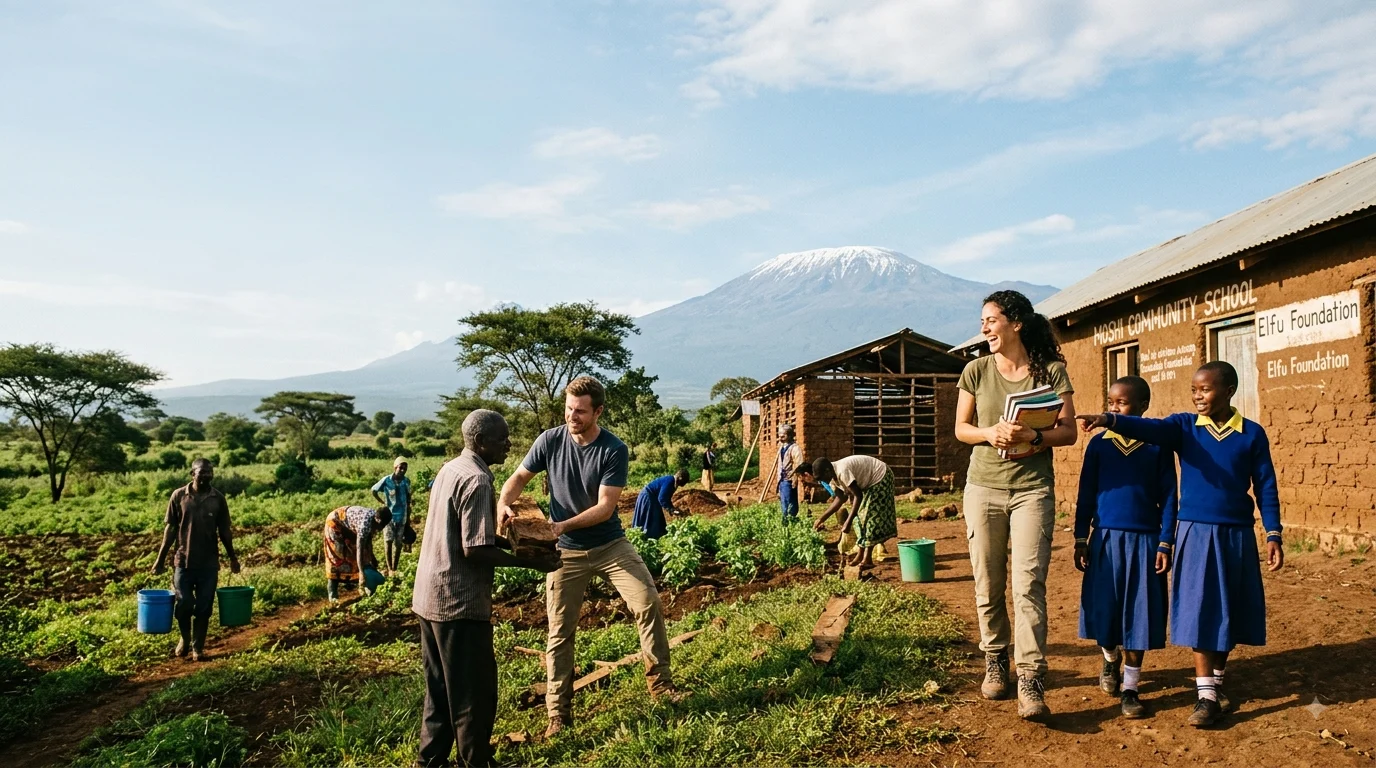
Tanzania is a country rich in greenery and natural beauty. The best time to visit the country, according to experts, is June through September, with light rainfall, mild summer weather, and perfect conditions for visiting different places. If you want to visit Tanzania to volunteer or do charity work, the best time depends on the program you choose.
But, if you want to volunteer and explore the place, you will need to find a window when it is peak time for activities.
This blog covers exactly this and helps you find the best time to visit Tanzania. Let us look into the various seasons in Tanzania.
Understanding Tanzania’s Seasons
Tanzania has two major rainy periods and two dry stretches each year. The long rains generally run from March through May, and short rains typically arrive around November. The dry season runs roughly from June to October, with a second, shorter dry spell from December to February.
Wildlife guides often point to June through October as the best time to visit Tanzania overall, since this period brings little rainfall, clear skies, and easier wildlife viewing across the northern parks. For volunteers, though, the picture looks a little different, because your daily reality involves classrooms, community projects, and local transport rather than game drives alone.
Best Month to Visit Tanzania for Volunteering
If your priority is comfortable weather for outdoor community work, June through September tends to be the sweet spot. Days are warm and mostly dry, mornings and evenings in Moshi can be cool enough to need a light jacket, and there is far less disruption from heavy rain affecting travel between your accommodation and your project site. This period also aligns with the school terms in Tanzania, so if you are joining a teaching placement, you will be working with a full, consistent class rather than arriving during a school holiday.
January and February also work well for many volunteer programs in Tanzania. This short dry season brings pleasant temperatures and also coincides with a school term, making it a solid choice if you want to avoid the busier June to September window while still enjoying decent weather.
What to Expect During the Rainy Seasons?
The long rains from March to May bring the heaviest and most consistent rainfall, and are therefore generally considered the least ideal time for volunteer opportunities in Tanzania. The muddy roads and frequent downpours can disrupt community projects that involve outdoor work or travel to rural areas.
Also, this quieter season has its own advantages: fewer volunteers overall, lower travel costs, and a noticeably greener, lusher landscape if you plan to combine your placement with some sightseeing.
The short rains around November tend to be lighter and less disruptive, often arriving as brief afternoon showers rather than all-day heavy rain. Many volunteers still comfortably choose this period, especially if their project work is majorly indoors, such as teaching or administrative support.
Matching the Season to Your Project Type
Different types of community volunteering placements in Tanzania are affected by the changing seasons in different ways. Teaching and classroom-based projects, like our teaching placements in Moshi, can run comfortably almost year-round since the work happens indoors and follows the school calendar rather than the weather.
Community development projects that involve outdoor labor, construction, or travel to rural villages tend to run more smoothly during the dry months. If your placement includes a medical or nursing component, timing is less about comfort and more about coordinating with local clinic schedules, so it is worth checking directly with your program coordinator.
Balancing Volunteering With Travel Plans
Many volunteers extend their trip to include a safari or a Kilimanjaro trek once their placement wraps up, and this is where timing decisions can get a little more complex. If seeing the wildebeest migration is part of your bucket list, aim for June through October, or January and February if calving season interests you more.
If your main goal is the volunteer work itself and you are flexible about safari timing, you have much more freedom to choose dates that suit your schedule and budget. Our guide to the best things to do in Tanzania is a useful companion once you have locked in your volunteer dates.
Booking Around Peak and Low Season
As June through October and the December to February window are generally busier travel periods across Tanzania, flights and accommodation can cost more if you are combining your placement with additional travel.
Volunteering during the quieter shoulder months, particularly April, May, and November, often means better flight prices and less competition for spots in popular programs. If budget is a major factor in your planning, our blog on budget tips for volunteers in Tanzania covers practical ways to stretch your funds further, regardless of when you travel.
A Quick Month by Month Snapshot
If you want a simple way to think through it, here is a rough breakdown volunteers often find useful:
- January and February bring warm, mostly dry weather and a full school term, making them a strong choice for teaching placements.
- March through May is the wettest stretch, quieter on the volunteer front, and best suited to those who do not mind rain and want lower costs.
- June through October is the busiest and driest window, ideal for pairing volunteering with a safari or a Kilimanjaro climb.
- November brings shorter, lighter rains and a return to a fresh school term, offering a nice middle ground between the crowded dry season and the quieter wet months.
None of these windows are truly a bad time to volunteer. Tanzania’s climate is generally mild throughout the year compared to many parts of the world, and community projects, particularly teaching and indoor-based work, continue steadily regardless of the season. The main factors to weigh are your comfort with rain, your budget, and whether you want to combine your trip with wildlife viewing.
Choosing What Works for You
There is no single correct answer to when to visit Tanzania for volunteer work. What matters most is aligning your trip with the school term if you are teaching, being realistic about how rain might affect outdoor projects, and deciding how much priority you want to give to safari or trekking add-ons.
Whatever season you choose, Hostel Hoff runs volunteer programs in Tanzania throughout the year, with flexible start dates to fit your schedule.
Check current availability on our rates page, or get in touch via our contact page to discuss the best timing for your trip.